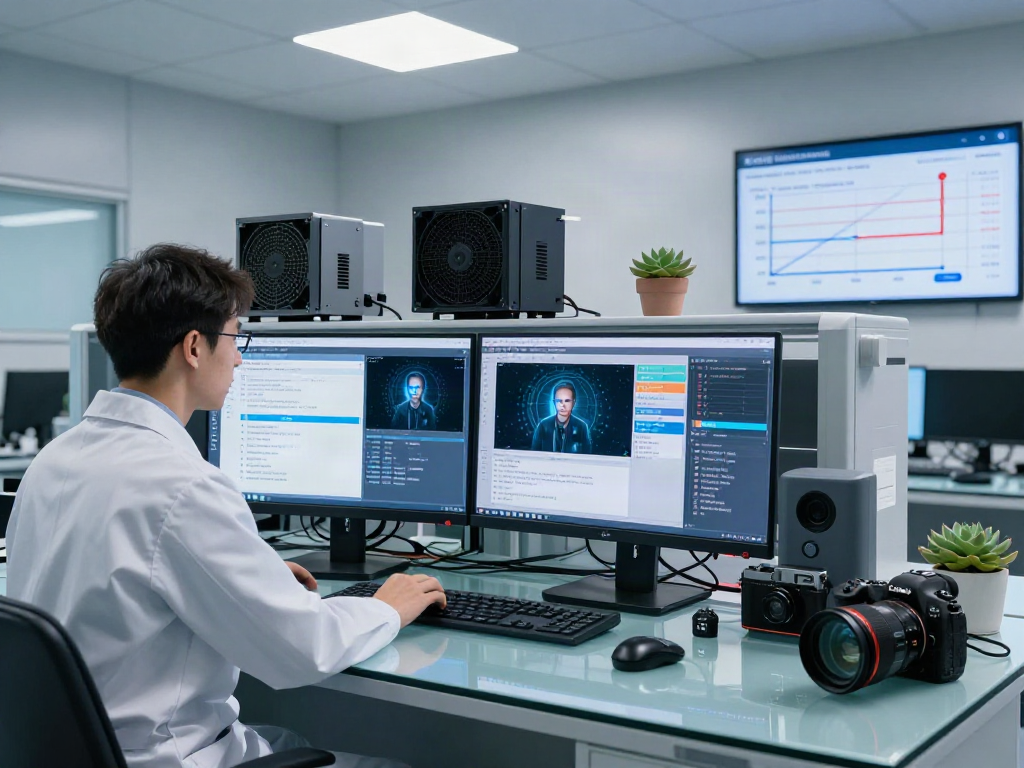
Understanding AI Image Detection
The rapid advancement of artificial intelligence has given rise to numerous technologies, one of which is AI image detection. This innovative capability enables the identification of images generated by AI systems, helping to differentiate between real and synthetic visual content. As the prevalence of AI-generated images continues to escalate, understanding how this technology works becomes increasingly essential. When exploring options, AI Image Detection tools can provide comprehensive insights into the authenticity of images, playing a crucial role in various domains including journalism, social media, and legal contexts.
What is AI Image Detection?
AI image detection refers to the technologies and methodologies used to determine whether an image has been created by an artificial intelligence system or captured by a human. These systems analyze image characteristics, pixel patterns, and metadata to assess the likelihood of an image being AI-generated. With various algorithms at their disposal, AI image detectors can recognize specific features associated with synthetic images, such as unnatural textures or irregular object proportions.
Importance of AI Image Detection in Modern Technology
As deepfakes and AI-generated visuals proliferate across the internet, the importance of AI image detection cannot be overstated. In a world where misinformation can spread rapidly, these detection technologies serve as a vital tool for maintaining the integrity of visual information. They are increasingly being utilized in various fields, including:
- Journalism: Ensuring the authenticity of images used in news reporting.
- Social Media: Identifying manipulated content that could mislead users.
- Legal Proceedings: Verifying evidence to prevent the use of fraudulent imagery.
Common Misconceptions about AI Image Detection
Despite its growing importance, several misconceptions about AI image detection persist. One prevalent myth is that these systems are infallible. In reality, while AI image detection models are powerful, they do have limitations and can sometimes produce false positives or negatives. Additionally, there is a misconception that all forms of AI-generated content can be easily detected; however, as technology continues to evolve, some advanced AI models produce images that are increasingly difficult to differentiate from real photographs.
Challenges in AI Image Detection
Technical Limitations of Current AI Models
While AI image detection technology has made significant strides, several technical limitations remain. Current models often struggle with:
- Adversarial Attacks: Some AI-generated images are designed to deceive detection systems by mimicking human characteristics closely.
- Complexity of Images: Highly intricate images with numerous elements can confuse detection algorithms, leading to inaccuracies.
- Training Data Bias: Detection models trained on biased datasets may not perform well across diverse image types.
Ethical Concerns Surrounding AI Image Detection
As with any technology, ethical concerns are associated with AI image detection. Issues such as privacy violations arise when algorithms analyze personal images without consent. Furthermore, there is the potential for misuse of detection technology, where it might be used to suppress freedom of expression or target individuals unfairly. Thus, it is crucial to strike a balance between the benefits of AI detection and the ethical implications that accompany its use.
Understanding Deepfakes and Their Implications
Deepfakes, a product of sophisticated AI generative models, pose significant challenges in the realm of image detection. These manipulated images and videos can present high-quality fakes that are nearly indistinguishable from real footage. The implications of deepfakes are profound, as they can undermine trust in media, disrupt personal lives, and even influence political landscapes. Effective AI image detection is critical to combating this issue.
Best Practices for Accurate AI Image Detection
Utilizing Robust Algorithms for Detection
To ensure accuracy in AI image detection, employing robust algorithms is essential. These algorithms should be capable of learning from vast datasets and adapting to new forms of manipulation. Techniques such as deep learning are often leveraged to enhance detection capabilities. Continuous research and development in this area are necessary for keeping pace with evolving AI generation techniques.
Regularly Updating AI Models with New Data
AI models require regular updates to remain effective against new methodologies of image generation. Continuous training on fresh datasets allows the models to learn about the latest advancements in AI-generated imagery, ensuring they can accurately identify the newest threats posed by intelligent systems.
Cross-Verification Techniques for Enhanced Accuracy
Incorporating cross-verification techniques can significantly improve the accuracy of AI image detection systems. Combining multiple detection methods or utilizing consensus algorithms can help mitigate the risk of false positives or negatives. Such hybrid approaches enable a more robust detection framework, increasing overall reliability.
Future Trends in AI Image Detection
Emerging Technologies in AI Image Analysis
The future of AI image detection is poised to incorporate emerging technologies like quantum computing and advanced neural networks. These advancements promise to enhance processing capabilities and improve detection algorithms, allowing for real-time analysis of large volumes of visual data.
Integration of AI Detection in Everyday Applications
In the coming years, we can expect to see AI image detection integrated into everyday applications. From smartphone cameras that automatically identify AI-generated images to social media platforms programmed to filter out fakes, the incorporation of this technology will be ubiquitous. This progression will help maintain the authenticity of shared content and protect users from misinformation.
Predictions for AI Image Detection in 2026 and Beyond
Looking ahead to 2026 and beyond, AI image detection technologies are anticipated to reach unprecedented levels of sophistication. Predictions suggest a future where AI detection systems will become standard features across various platforms, including media, education, and social networks. As such, the ability to discern real from synthetic images will become a fundamental skill in navigating an increasingly digital world.
Case Studies and Real-World Applications
Successful Implementation of AI Image Detection in Journalism
Several news organizations have successfully integrated AI image detection to ensure the authenticity of visuals in their reporting. For example, the Associated Press utilizes advanced AI technologies to verify images submitted by sources, thereby maintaining journalistic integrity and combatting the spread of misinformation.
AI Image Detection in Social Media Platforms
Social media platforms are increasingly adopting AI image detection technologies to combat misinformation. By implementing these systems, platforms like Facebook and Twitter can flag or remove misleading content, creating a safer environment for users. This technology not only identifies deepfakes but also helps to understand user interactions with visual content.
Using AI Image Detection in Legal Proceedings
In the legal realm, AI image detection is proving invaluable for verifying evidence. Lawyers and forensic experts are using detection tools to assess the authenticity of photographs and videos submitted in court cases. These technologies help ensure that only genuine evidence is presented, thereby reinforcing the rule of law.
What are the key benefits of AI Image Detection?
The key benefits of AI image detection include enhancing trustworthiness in visual media, preventing the spread of misinformation, and empowering users to distinguish between real and synthetic content. Such capabilities are essential in preserving the integrity of information in a digital age dominated by visual communication.
How can businesses implement AI Image Detection?
Businesses can implement AI image detection by adopting existing software solutions that integrate detection algorithms. Training staff on the importance of verifying visual content can further enhance the effectiveness of these tools. Additionally, companies can collaborate with tech firms specializing in AI to develop customized solutions tailored to their specific needs.
What are the limitations of AI Image Detection?
Despite its many advantages, AI image detection does have limitations. Challenges include the potential for false results, the need for continuous updates to keep pace with AI advancements, and ethical considerations surrounding privacy and misuse. Addressing these challenges is critical for the responsible deployment of AI detection technologies.
How does AI Image Detection impact privacy?
AI image detection raises significant privacy concerns, particularly when algorithms analyze personal images. The potential for misuse of detection technologies to surveil individuals or profile users without consent is a pressing issue. Ensuring that privacy regulations are observed is paramount as this technology evolves.
What technologies enhance AI Image Detection accuracy?
Technologies that enhance AI image detection accuracy include improved machine learning algorithms, advanced neural networks, and comprehensive datasets. Additionally, innovations in computer vision and image processing are integral to improving detection capabilities and ensuring that models are effective across diverse applications.