The Importance of Agriculture Equipment Financing in Brisbane
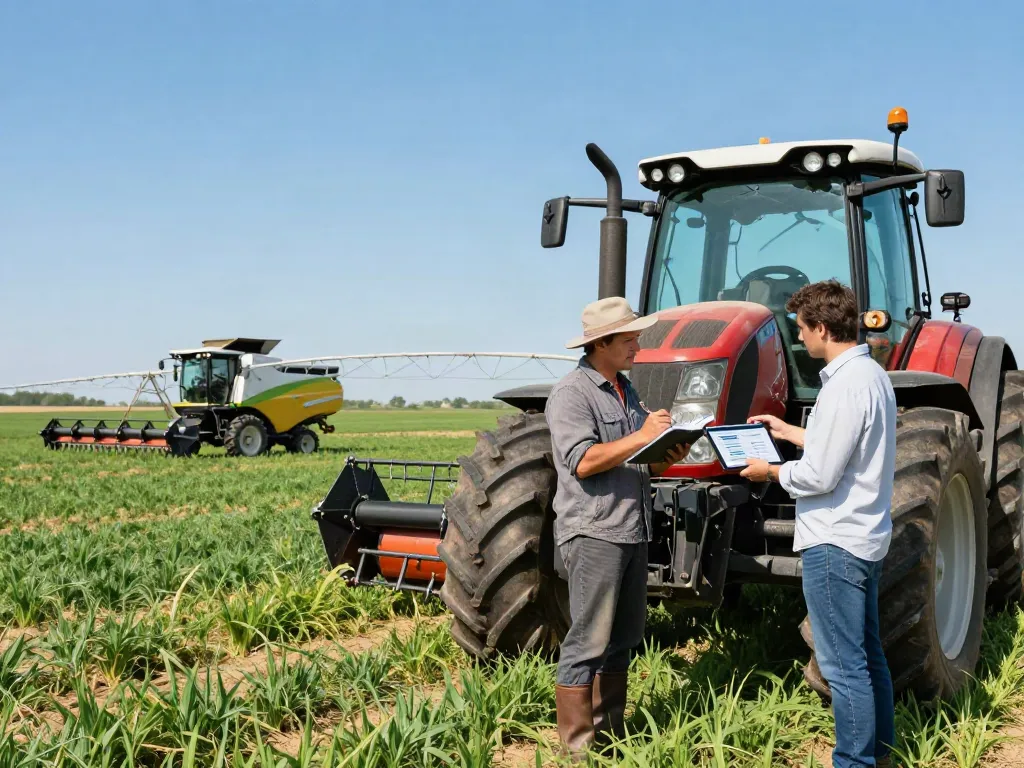
In the evolving landscape of agriculture, where productivity and efficiency are paramount, the need for reliable and advanced equipment cannot be overstated. Whether it's tractors, harvesters, or specialized irrigation systems, farmers in Brisbane and across Queensland are continuously seeking ways to enhance their operations. Agriculture Equipment Financing Brisbane provides a viable solution for farmers looking to invest in essential machinery without compromising their cash flow. This article delves into the financial challenges faced by farmers, the types of equipment available for financing, and the various benefits financing options present over traditional outright purchasing methods.
Understanding the Financial Needs of Farmers
Farmers often operate within tight margins, influenced by seasonal income fluctuations and market demand. The financial landscape can be challenging, with many grappling with the need for substantial upfront capital to purchase equipment that is crucial for their operations. Understanding these needs is vital for lenders who aim to provide suitable finance solutions. The agricultural sector in Queensland has unique financial characteristics, necessitating tailored financing approaches that take into account the cyclical nature of farming and the varying costs associated with different types of equipment.
Types of Equipment Eligible for Financing
A broad range of agricultural equipment is available for financing, making it easier for farmers to acquire what they need. This includes:
- Tractors: Essential for a variety of tasks, from tilling to harvesting.
- Harvesters: Equipment that simplifies the collection of crops.
- Irrigation systems: Necessary for water management and crop health.
- Balers: Used to compress cut crops into bales, making transportation easier.
- Sprayers: Critical for the application of fertilizers and pesticides.
- Storage solutions: Vital for keeping produce safe before and after sale.
Farmers must consider the specific equipment that will enhance productivity and sustainability in their operations while ensuring they select the right financing option that aligns with their cash flow management.
Benefits of Financing Over Outright Purchases
Opting for financing rather than outright purchases offers several advantages, including:
- Preserved cash flow: Financing allows farmers to retain capital for other operational needs, such as hiring additional labor during harvest season.
- Access to the latest technology: Farmers can invest in newer, more efficient equipment that boosts productivity without having to wait until they can save up the needed funds.
- Structured repayments: Financing typically allows for structured repayment plans that can be tailored to match farmers’ income cycles, alleviating the pressure during lean seasons.
- Potential tax benefits: Financing can provide tax advantages, particularly if the equipment is classified as a depreciable asset.
These benefits highlight why financing is often a preferred choice for many agricultural enterprises in Brisbane.
How to Choose the Right Financing Option
With numerous financing options available, selecting the right one can be daunting. It’s essential to understand your business needs and the various offerings available in the market.
Assessing Your Farming Needs and Goals
Before engaging with lenders, farmers should conduct a thorough assessment of their operational needs. This means identifying the specific equipment required and determining how it will contribute to improving productivity. Additionally, understanding short-term and long-term goals can help tailor the financing option to fit your overall business strategy.
Comparing Different Lenders and Offers
Not all lenders are created equal. When looking for financing, farmers should compare offers from multiple lenders to find competitive rates and terms. Factors to consider include interest rates, repayment schedules, and any additional fees that may be associated with the financing. Utilizing a finance broker can also streamline this process, giving access to a broader range of lending institutions.
Evaluating Terms, Rates, and Conditions
Once you have compared different lenders, the next step is to evaluate the terms and conditions associated with each offer. This includes understanding the interest rates, repayment terms, and any prepayment penalties that may apply. A thorough review of the fine print ensures you are making an informed decision that supports your operational goals while being financially feasible.
The Role of Finance Brokers in the Process
Finance brokers play a critical role in helping farmers navigate the complexities of securing loans for agricultural equipment.
What Finance Brokers Do for Farmers
Finance brokers serve as intermediaries between farmers and lenders, providing several valuable services:
- Assessing a farmer's financial situation and equipment needs.
- Identifying suitable financing options from a variety of lenders.
- Assisting with the application process to streamline approval.
- Providing expert advice on financial implications.
By leveraging their industry knowledge and lender relationships, brokers can often secure better terms and rates than farmers might find on their own.
How to Select a Trusted Finance Broker
Choosing a broker requires careful consideration. Look for brokers who specialize in agricultural financing and have a proven track record with similar clients. Reading reviews and obtaining referrals from other farmers can provide insights into the broker’s reliability and effectiveness.
Real-World Success Stories: Brokers in Action
Many farmers have successfully enhanced their operations through the assistance of finance brokers. For example, a family-run farm in Queensland was able to upgrade its irrigation system through broker-facilitated financing, resulting in a 30% increase in crop yield within the first season. Such success stories exemplify the advantages of working with knowledgeable professionals in the field.
Common Challenges Faced by Farmers
Despite financing options, farmers still encounter several challenges while managing their agricultural operations.
Seasonal Income and Cash Flow Management
One of the most significant hurdles for farmers is the seasonal nature of income generation. This can lead to cash flow issues, especially when financing equipment that requires consistent repayment. To mitigate this, farmers may need to design repayment schedules that align with their income cycles, ensuring they can manage their finances effectively throughout the year.
Navigating Complex Loan Applications
The loan application process can often be complex and time-consuming. Farmers may encounter challenges in compiling necessary documentation or understanding the specific requirements from lenders. Having the support of a finance broker can significantly ease this burden, helping farmers navigate the intricacies of the application process.
Understanding Interest Rates and Market Variability
Interest rates can fluctuate due to broader economic conditions, impacting the cost of financing. Farmers must stay informed about market trends and how they relate to interest rates to make timely decisions about when to secure financing.
Future Trends in Agriculture Equipment Financing
As the agricultural landscape continues to evolve, so too does the nature of equipment financing.
Emerging Technologies and Their Impact
With advancements in technology, farmers have access to equipment that increases productivity through automation and precision agriculture. As these technologies become more mainstream, financing options will also evolve to accommodate the unique needs and costs associated with such equipment.
Potential Changes in Lending Regulations
Regulatory frameworks surrounding agriculture financing may change in response to economic shifts and the needs of the agricultural sector. Staying abreast of these changes is essential for farmers who rely on financing to support their operations.
How Farmers Can Prepare for 2026 and Beyond
Farmers should proactively engage in strategic financial planning to ensure they are ready for future challenges and opportunities. This includes evaluating their current equipment needs, understanding potential financing options, and maintaining a healthy relationship with financial advisors or brokers who can provide updated information on market conditions and financing opportunities.
How to get a farm equipment loan?
To obtain a farm equipment loan, start by assessing your financial needs and the type of equipment required. Next, gather necessary documentation, including financial statements and proof of income. Work with a finance broker to explore available options and select a loan that suits your business model.
What are the current interest rates for equipment loans in Australia?
Interest rates for equipment loans can vary widely based on market conditions and the lender. As of 2026, farmers should expect rates to range from approximately 3% to 7%. It's advisable to compare multiple offers to secure the best rate available based on your creditworthiness and financing needs.
Which bank is best for farmers in Australia?
The best bank for farmers often depends on specific needs. Financial institutions offering competitive rates and specialized agricultural loans should be prioritized. Researching local and national banks and consulting with finance brokers can lead to the best choices for your context.
How can farmers afford their equipment?
Farmers can afford equipment through various means, including financing options, grants, and subsidies tailored for the agricultural sector. Leasing equipment is another viable option that allows for access to machinery without the burden of full ownership costs.
What financing options are available for used equipment?
Financing options for used equipment typically include traditional bank loans, lease-to-own agreements, and specialized lenders focused on agricultural financing. Farmers should explore the condition and age of the equipment to determine the best financing path available.