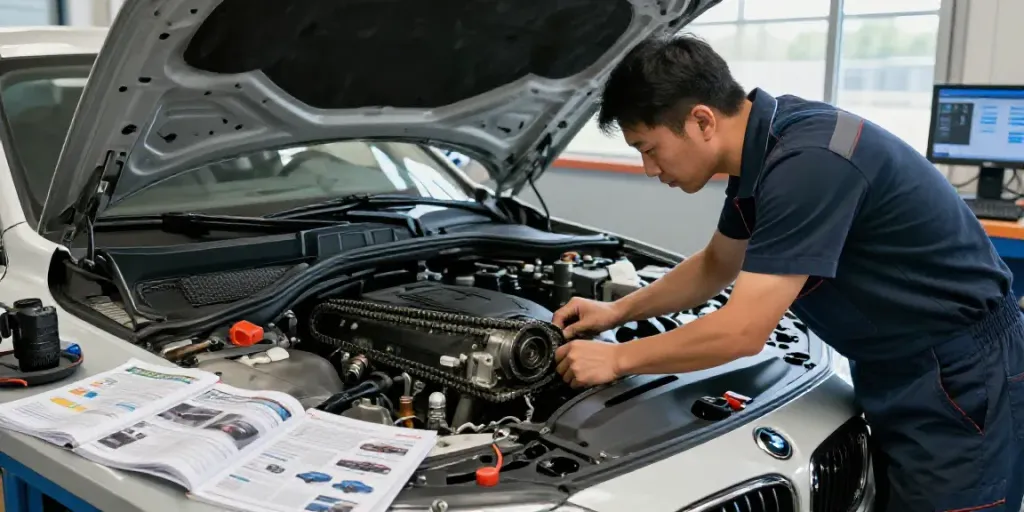
Understanding BMW Timing Chains
For automobile enthusiasts and BMW owners alike, the health of the engine is paramount, especially when it comes to the timing chain. The bwm steuerkette wechseln process is crucial for maintaining optimal engine performance. Timing chains play a vital role in the synchronization of the engine's camshaft and crankshaft, ensuring that the engine operates smoothly and efficiently. This article delves into the intricacies of timing chains, common issues associated with them, and what you need to know about their replacement.
What is a Timing Chain?
A timing chain is a critical component in various internal combustion engines, especially those of BMW cars. It is made of metal links and operates similarly to a bicycle chain, connecting the crankshaft and camshaft. This interconnection is essential for regulating the timing of the engine’s valves. Unlike timing belts, timing chains often last longer and are typically more resilient, albeit not without their own issues. Regular maintenance is key to ensuring their longevity and effectiveness.
Common Issues with BMW Timing Chains
While timing chains are designed for durability, they are not immune to wear and tear. Common issues include:
- Stretching: Over time, a timing chain can stretch beyond its intended length, leading to misalignment that can affect engine performance.
- Noise: A rattling sound, especially at startup, often indicates a loose or worn chain.
- Oil Contamination: Debris or sludge in the engine oil can lead to premature wear of the timing chain.
Signs Your BMW Needs a Timing Chain Replacement
Recognizing the symptoms of a failing timing chain is crucial for averting significant engine damage. Key signs include:
- Engine noise that sounds like rattling or ticking.
- Check engine light activation.
- Difficulty starting the engine.
- Vibration during operation, which might indicate misalignment.
Cost Factors for BMW Timing Chain Replacement
The cost of replacing a timing chain in a BMW can vary significantly based on multiple factors. When exploring options, bmw steuerkette wechseln provides comprehensive insights into the financial aspects involved in this essential service.
Labor Costs for bmw steuerkette wechseln
Labor costs can fluctuate depending on the location, the service provider's expertise, and the specific BMW model. On average, you can expect to pay anywhere from $500 to $1,500 for labor alone, with more complicated models requiring additional time and expertise.
Parts and Components Pricing
The price of parts involved in the timing chain replacement can range from $200 to over $1,000. This variation is primarily influenced by the specific parts required for each model, including chains, guides, sprockets, and necessary gaskets.
Comparison of Costs Across BMW Models
Cost considerations can also vary greatly across different BMW models. For instance:
- The BMW 3 Series may cost around $1,100 to $2,200.
- The BMW X5 might set you back around $1,500 to $3,000.
- More specialized models, such as the M Series, can exceed $5,000 due to their complex engine designs.
Timing Chain Replacement Process
Understanding the replacement process can help you prepare for the service and avoid expensive mistakes. Here’s a step-by-step breakdown:
Step-by-Step Guide to Replacing the Timing Chain
- Preparation: Disconnect the battery and remove any obstructions like the intake manifold to access the timing chain.
- Mark Timing: Before removing the old chain, accurately mark the timing positions of the camshaft and crankshaft to avoid misalignment during reassembly.
- Remove Old Parts: Detach the timing chain, guides, and any associated sprockets carefully.
- Install New Chain: Position the new chain according to the marked timing points and replace the guides and sprockets.
- Reassemble: Put everything back together, ensuring all bolts are tightened to manufacturer specifications.
- Final Checks: Start the engine and listen for any unusual noises, indicating potential installation issues.
Tools Required for the Job
To successfully replace a timing chain, you will need:
- Socket and ratchet set
- Torque wrench
- Timing chain tool kit
- Shop manual for the specific BMW model
Common Mistakes to Avoid During Replacement
Inexperienced technicians often make critical mistakes, such as:
- Failing to properly mark timing positions.
- Reusing old parts that should be replaced.
- Neglecting to check oil conditions after the replacement.
When to Replace Your BMW Timing Chain
Timing chain replacement is not a one-size-fits-all scenario. Here’s what to consider:
Recommended Replacement Intervals
Typical intervals for timing chain replacement in BMWs can range from 60,000 to 120,000 miles. However, this may vary based on driving habits and engine conditions.
Impact of Ignoring Timing Chain Issues
Neglecting to address timing chain problems can lead to severe engine damage, including:
- Complete engine failure.
- Significant repair costs down the line due to extensive damage.
- Increased risk of safety hazards while driving.
Expert Recommendations for BMW Owners
Consulting with a certified BMW technician is advisable for personalized insights regarding timing chain maintenance and replacement. Regularly scheduled check-ups can also help catch potential issues early.
Future of BMW Timing Chains and Technology
As technology advances, so too does the design and implementation of timing chains. Here’s what to expect moving forward:
Innovations in Timing Chain Design
New developments in material science mean timing chains are becoming more resilient, with improved resistance to wear. Manufacturers are also exploring quieter and lighter designs to enhance performance.
Expected Trends in Costs and Maintenance
As technology improves, costs may evolve. While initial expenses might rise due to advanced materials, the longevity and durability of these new chains could lead to lower overall maintenance costs.
2026 Predictions for BMW Engine Technology
The automotive industry is shifting towards hybrid and electric vehicles, which may influence traditional engine components like timing chains. Nonetheless, combustion engines will continue to require efficient chains for optimal performance for years to come.
What is the cost to replace the timing chain on a BMW?
The costs can range anywhere from $1,000 to $5,000 depending on the model and labor rates in your area.
When should a BMW timing chain be replaced?
Generally, it is wise to replace a timing chain every 60,000 to 120,000 miles, but this can vary based on conditions and driving habits.
Which BMW models have timing chain issues?
Some older models, particularly those with the N47 engine, have had issues with timing chain longevity. Models like the BMW E90 and E60 have been reported to experience early chain wear.
How can you tell if your timing chain needs replacement?
Frequent engine noises, warning lights, and performance issues often indicate that it’s time for a replacement.
Where can I find reliable services for bmw steuerkette wechseln?
Finding a reputable service can be accomplished through local BMW dealerships, specialized auto repair shops, or through online platforms that provide customer reviews and detailed service descriptions.