
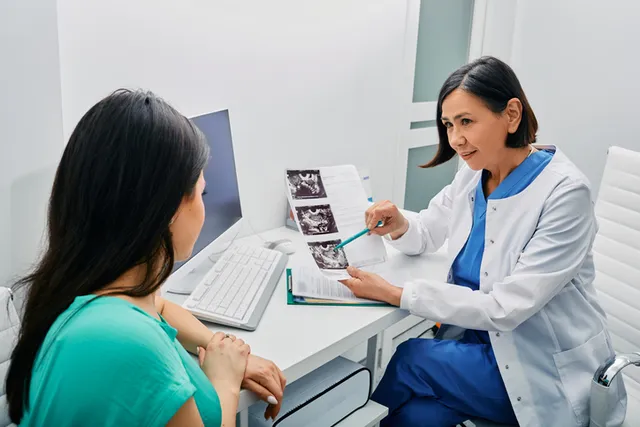
Pelvic discomfort, irregular periods, sudden changes in bleeding, or persistent hormonal symptoms can leave women wondering whether they are simply temporary changes or signs of an underlying condition. Knowing when symptoms need attention can make a meaningful difference. Consulting a gynaecologist in Bhubaneswar can help women receive appropriate evaluation and understand possible causes instead of ignoring recurring concerns.
Gynaecological health covers much more than menstrual cycles. Conditions affecting the ovaries, uterus, pelvic floor, hormones, and reproductive system can influence comfort, fertility, and everyday well-being. Understanding common concerns and their warning signs can help women seek timely medical guidance.
Understanding Where Gynaecological Symptoms Come From
Gynaecological symptoms can have several possible causes, and similar symptoms may occur with different conditions. Pelvic pain, for example, may be associated with menstrual problems, endometriosis, ovarian cysts, fibroids, infections, or other concerns. A proper assessment is therefore more useful than trying to identify a condition based only on symptoms.
- Menstrual irregularities
- Pelvic or abdominal pain
- Heavy or unusual bleeding
- Hormonal changes
- Fertility concerns
- Pelvic pressure or discomfort
Keeping track of symptoms, cycle changes, and their frequency can make medical consultations more informative. Timely assessment may help identify concerns earlier and guide appropriate treatment.
Pelvic Pain Is Not Always a Normal Part of Menstruation
Mild discomfort around menstruation can occur, but severe, persistent, or worsening pelvic pain deserves attention. Pain that interferes with work, sleep, movement, or daily activities should not simply be accepted as a routine part of the menstrual cycle.
Conditions such as endometriosis, adenomyosis, fibroids, ovarian cysts, or pelvic infections can sometimes cause pelvic pain. Medical evaluation can help identify the likely source and determine whether examination, imaging, or other investigations are appropriate.
Recognising PCOS and Its Wider Effects
Polycystic Ovary Syndrome, or PCOS, is a hormonal condition that can affect ovulation, menstrual cycles, and fertility. Symptoms vary widely, and not every woman experiences the same combination of concerns. Irregular periods, acne, excess hair growth, weight-related changes, and difficulty conceiving may occur in some women.
Women experiencing persistent hormonal or reproductive symptoms can seek guidance from a gynaecologist in Bhubaneswar for a detailed assessment. Diagnosis generally involves considering medical history, symptoms, examination findings, and appropriate tests rather than relying on one symptom alone.
Common Conditions Behind Gynaecological Symptoms
Different gynecological conditions can produce overlapping symptoms, which is why professional evaluation is important. Understanding the possibilities can help women recognize why persistent changes should not be overlooked.
Endometriosis
Endometriosis occurs when tissue similar to the uterine lining grows outside the uterus. It may cause painful periods, pelvic pain, pain during intercourse, or fertility difficulties. Symptoms can vary, and timely assessment can help women explore suitable management options.
Uterine Fibroids
Fibroids are non-cancerous growths that develop in or around the uterus. Some women have no symptoms, while others may experience heavy menstrual bleeding, pelvic pressure, frequent urination, or discomfort. Treatment depends on symptoms, fibroid characteristics, age, and individual reproductive needs.
Ovarian Cysts
Ovarian cysts are fluid-filled sacs that may develop on the ovaries. Many are temporary and resolve without treatment, but some can cause pelvic pain, pressure, or menstrual changes. Medical evaluation helps determine whether observation or further management is appropriate.
Adenomyosis
Adenomyosis occurs when tissue similar to the uterine lining grows into the muscular wall of the uterus. It may contribute to heavy or painful periods and pelvic discomfort. Assessment can help distinguish it from other causes of similar symptoms and guide treatment.
Menstrual Disorders
Periods that are consistently very heavy, unusually painful, highly irregular, or unexpectedly absent may indicate an underlying concern. A healthcare professional can assess possible hormonal, structural, or reproductive causes and recommend appropriate care based on the individual situation.
How Diagnosis Helps Guide the Right Care
Because pelvic symptoms can have several explanations, diagnosis is an important step before choosing treatment. A gynecologist may review menstrual history, previous pregnancies, medications, symptoms, and family history before recommending suitable examinations or investigations.
Depending on the concern, evaluation may include a pelvic examination, blood tests, hormonal assessment, ultrasound, or other imaging. These findings can help distinguish conditions that may appear similar and provide a clearer basis for management.
Early assessment can also be useful when symptoms are mild but recurring. Understanding the cause gives women an opportunity to discuss treatment options, fertility considerations, symptom management, and follow-up according to their individual needs. It can also reduce uncertainty and help women plan follow-up with confidence.
When Symptoms Should Prompt a Medical Consultation
Women do not need to wait for symptoms to become severe before seeking guidance. Persistent changes deserve attention, particularly when they affect daily life or occur alongside other unusual symptoms.
Sudden severe pelvic pain, very heavy bleeding, fainting, fever with pelvic pain, or symptoms during pregnancy require prompt medical attention. For less urgent concerns, arranging a gynaecological consultation can help establish the cause and prevent prolonged discomfort or uncertainty.
Supporting Long-Term Gynaecological Health
Good gynaecological care combines symptom awareness, preventive attention, healthy routines, and appropriate medical follow-up. Regular consultations can create opportunities to discuss menstrual changes, reproductive goals, fertility, contraception, pelvic concerns, and hormonal health.
Women can also maintain a record of menstrual cycles and recurring symptoms. Balanced nutrition, suitable physical activity, adequate sleep, and stress management support general well-being, while medical advice remains important when persistent symptoms appear.
Conclusion
Pelvic pain, menstrual changes, and PCOS can affect women differently, and similar symptoms may have very different underlying causes. Paying attention to persistent changes and seeking appropriate evaluation can help women understand their health needs and access timely care. Professional guidance is particularly valuable when symptoms interfere with daily life, fertility, or overall well-being.
Those looking for comprehensive women’s and children’s healthcare can consider Ankura Hospital, which provides specialised gynaecology and maternity services supported by experienced specialists and advanced facilities. Its broader healthcare network also supports families seeking paediatric services, making it a practical option for those searching for a famous paediatrician in Pune while also accessing specialised care for women.