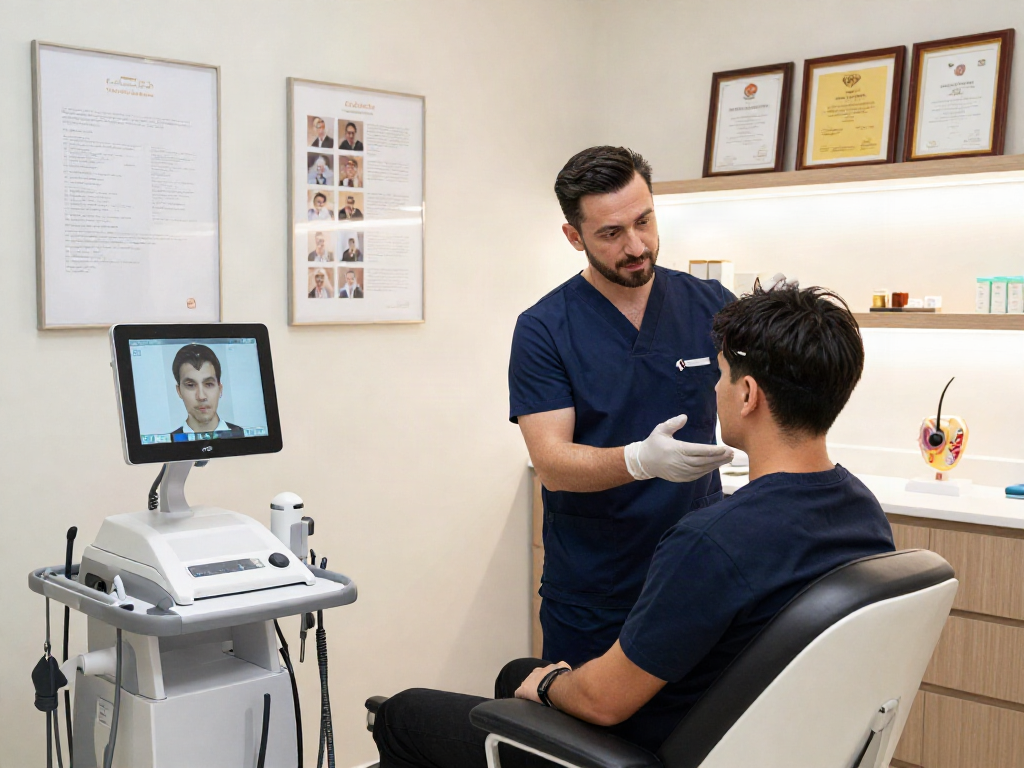
Understanding Hair Transplant Procedures
Hair loss can be a challenging experience, impacting self-esteem and emotional well-being. Fortunately, advances in medical science have led to effective solutions, one of the most popular being hair transplants. In recent years, the demand for hair transplant istanbul has surged, particularly due to its innovative techniques and affordability. This article delves into the nuances of hair transplant procedures, recovery timelines, factors affecting results, and tips for choosing the right clinic.
What is a Hair Transplant?
A hair transplant is a surgical procedure that involves relocating hair follicles from a donor site, typically the back or sides of the head, to areas affected by thinning or baldness. This technique not only restores hair in the specified areas but also maintains a natural appearance as the hair continues to grow in its new location. Hair transplants have gained popularity for their long-lasting results, allowing individuals to regain their confidence and youthful appearance.
Types of Hair Transplant Techniques
- Follicular Unit Transplantation (FUT): In this method, a strip of scalp is removed from the donor site, which is then dissected into individual follicular units for transplantation. While this technique may leave a linear scar, it allows for the transfer of a higher number of grafts in a single session.
- Follicular Unit Extraction (FUE): FUE is a minimally invasive technique where individual hair follicles are extracted directly from the scalp and transplanted to the thinning areas. This method is preferred by many due to its less noticeable scarring and quicker recovery time.
- Direct Hair Implantation (DHI): DHI is an advanced form of FUE. This technique uses a specialized tool that allows for the direct implantation of hair follicles into the recipient area. It minimizes the time that follicles spend outside the body, enhancing their survival rate.
What to Expect During the Procedure
During a hair transplant procedure, patients can expect to spend several hours at the clinic, depending on the number of grafts being transplanted. Local anesthesia is administered to minimize discomfort. After the procedure, patients can go home the same day, but it is crucial to follow post-operative care instructions meticulously to maximize results.
Recovery Timeline After Hair Transplant Istanbul
Immediate Post-Procedure Instructions
Following a hair transplant, it's important to adhere to specific care guidelines to promote healing and ensure optimal results. Patients are advised to avoid strenuous activities, keep the scalp clean, and refrain from touching or scratching the transplanted area for at least a few days. It’s also recommended to avoid direct sun exposure, as it can affect the healing process.
Day-by-Day Recovery Milestones
Typically, the recovery process can be broken down into several milestones:
- Day 1-3: Expect some swelling and redness, which is normal. Keeping the head elevated can help reduce swelling.
- Day 4-7: Most swelling subsides; however, scabs may form in the transplant area. It's important not to pick at them.
- Week 1-2: Scabs will start to fall off, revealing new hair growth. Patients can return to light activities but should avoid heavy lifting.
- Month 1: Initial hair shedding may occur—this is known as shock loss and is a normal part of the process.
- Month 3-6: New hair growth typically becomes visible, with full results appearing within 6-12 months.
Potential Side Effects and How to Manage Them
While hair transplants are generally safe, some potential side effects include swelling, discomfort, and infection. Over-the-counter pain medications can help manage discomfort, and applying cool compresses can alleviate swelling. Always consult with your surgeon if you notice any unusual symptoms.
Factors Influencing Results of Hair Transplants
Individual Hair Growth Cycles
Every individual has a unique hair growth cycle influenced by genetics and overall health. Understanding how this cycle works can help set realistic expectations for post-transplant results.
Quality of Donor Hair
The success of a hair transplant largely depends on the quality and density of the donor hair. Healthier follicles tend to produce better results, making it crucial for candidates to have a sufficient supply of healthy donor hair for optimal results.
Surgeon's Experience and Technique
The skill and experience of the surgeon play a pivotal role in the success of the transplant. A seasoned surgeon will not only perform the procedure more effectively but also provide insights on post-operative care, significantly affecting the overall outcome.
Evaluating Hair Transplant Results
When to Expect Initial Growth
It is common for patients to experience a period of hair loss after the procedure, typically referred to as "shedding." Initial growth often begins around the 3-month mark, with noticeable results emerging within 6 to 12 months post-surgery.
Key Signs of Successful Hair Restoration
Successful hair restoration can be identified by several signs:
- Increased hair density in the transplantation area.
- Natural-looking hairline that matches the individual's facial structure.
- Smooth transition between the transplanted hairs and the existing hair.
Managing Expectations and Longevity of Results
While hair transplants can provide lasting results, it’s essential to have realistic expectations. Factors such as ongoing hair loss due to genetics can affect the long-term success of the procedure. Regular consultations with a dermatologist or hair specialist can help in managing ongoing hair health.
Choosing the Right Clinic for Hair Transplant Istanbul
What to Look for in a Hair Transplant Surgeon
When selecting a surgeon, consider their credentials, experience, and patient outcomes. Look for a surgeon who is board-certified and specializes in hair restoration. It’s also beneficial to check if they are affiliated with reputable medical institutions.
Importance of Patient Reviews and Testimonials
Researching patient reviews can provide valuable insights into the quality of care and results offered by a clinic. Seek testimonials from previous patients, focusing on their experiences with the procedure, recovery, and overall satisfaction with the results.
Cost Considerations and Financing Options
The cost of hair transplants can vary significantly based on the technique used, the extent of hair loss, and the clinic's location. Many clinics offer financing options or payment plans to make the procedure more accessible. It's advisable to compare prices and services across multiple clinics before making a decision.
What is the success rate of hair transplants?
The success rate of hair transplants typically ranges between 80% to 95%, depending on various factors such as the technique used, the skill of the surgeon, and the patient's adherence to post-operative care instructions.
How long does recovery take after a hair transplant?
The initial recovery phase lasts about 7 to 14 days, during which time patients may experience some discomfort, swelling, and scabbing. Full results can take up to 12 months to fully manifest as hair grows in and stabilizes.
Are there any risks associated with hair transplants?
While hair transplants are generally safe, they carry some risks, including infection, scarring, and unnatural-looking results if not performed by an experienced surgeon. Discussing potential risks with your surgeon beforehand can help mitigate concerns.
What should I do to prepare for my consultation?
Before your consultation, prepare a list of questions regarding the procedure, recovery process, and expected outcomes. It’s also beneficial to gather any medical records relevant to your hair loss and previous treatments.
Can hair transplants be performed on all hair types?
Yes, hair transplants can be performed on various hair types, including straight, curly, and coily. However, the technique and approach may vary based on hair texture, and a consultation with a skilled surgeon can help determine the best method for each individual.