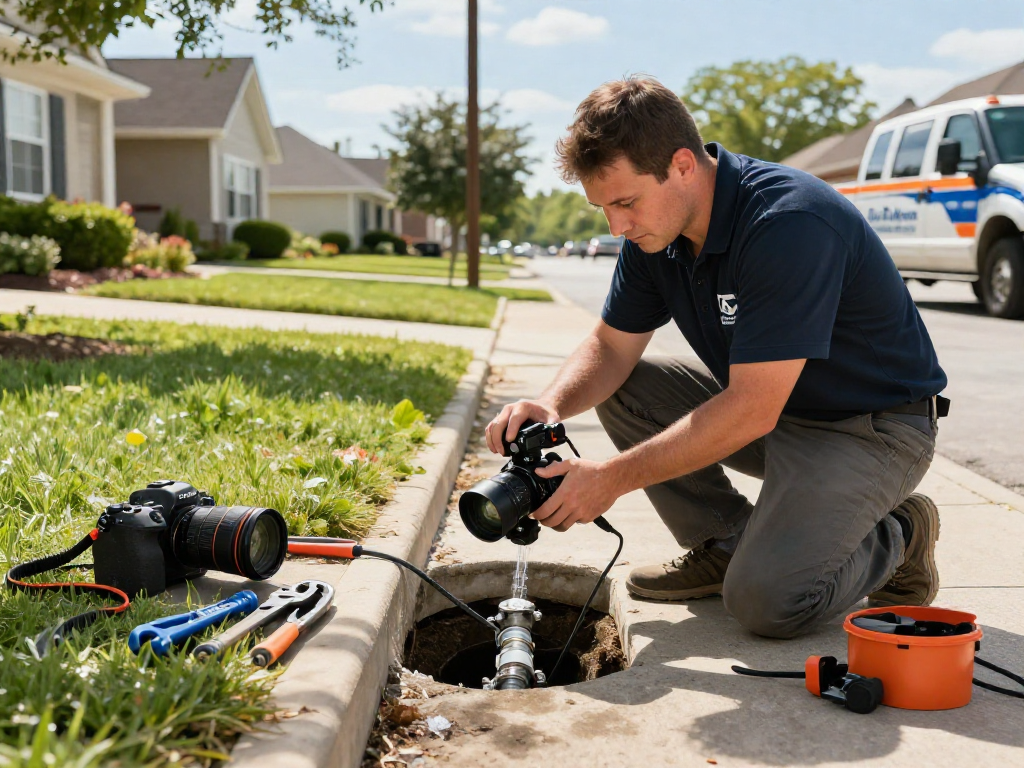
Understanding Sewer Line Systems in Fort Worth
Sewer systems are a critical component of urban infrastructure, functioning as the backbone of sanitation and hygiene in communities. In Fort Worth, maintaining these systems is essential not only for health reasons but also for the preservation of property values and environmental integrity. Understanding the intricacies of sewer line service Fort Worth can help homeowners take proactive steps in managing their plumbing needs effectively.
What Are Sewer Lines and Their Functions?
Sewer lines are underground pipes designed to transport wastewater from homes and businesses to treatment facilities. They serve several functions:
- Waste Removal: Carry waste from toilets, sinks, and other fixtures away from buildings.
- Stormwater Management: Some systems also handle excess rainwater, reducing flooding risks.
- Environmental Protection: Properly functioning sewer lines prevent contamination of groundwater and surrounding areas.
The Importance of Regular Sewer Line Maintenance
Regular maintenance of sewer lines is essential to prevent blockages, leaks, and other issues that could lead to costly repairs. Routine inspections help identify potential problems before they escalate. Homeowners should be aware of their sewer line's condition to avoid significant disruptions and expenses in the future.
Common Signs of Sewer Line Problems
Identifying sewer line issues early can save homeowners from extensive repair costs. Here are some common signs that indicate a sewer line problem:
- Slow Drains: If multiple drains in your home are sluggish, it could signal a blockage in the sewer line.
- Unpleasant Odors: Foul smells around the property can indicate a leak or a break in the sewer line.
- Backups: Frequent toilet or drain backups are strong indicators of sewer line issues.
Challenges Homeowners Face with Sewer Line Services
Homeowners in Fort Worth often encounter several challenges regarding sewer line services, which can complicate maintenance and repair efforts.
Misconceptions About Sewer Line Inspections
Many homeowners believe that sewer line inspections are unnecessary or that they can only be addressed when something goes wrong. This misconception can lead to significant issues down the road. Understanding the benefits of routine inspections is crucial for maintaining a reliable sewer system.
Common DIY Mistakes to Avoid
In an attempt to save money, some homeowners may try to perform sewer line repairs or maintenance themselves. Common DIY mistakes include:
- Using Chemical Drain Cleaners: These can cause more harm than good and can damage pipes.
- Ignoring Warning Signs: Dismissing slow drains or odors can lead to larger problems.
- Inadequate Tools: Using the wrong equipment for repairs may worsen the issue.
Financial Implications of Ignoring Sewer Issues
Neglecting sewer line problems can have dire financial consequences. Costs can escalate dramatically if minor issues develop into major repairs or replacements. For homeowners, investing in preventive maintenance is always more cost-effective than waiting for a disaster to strike.
Best Practices for Sewer Line Maintenance
To ensure the longevity and proper functioning of sewer systems, homeowners should adopt best practices in sewer line maintenance.
Regular Inspection Schedules for Homeowners
Establishing a regular inspection schedule can help identify issues early. Homeowners should generally consider having their sewer lines inspected every 1-2 years, or more frequently if they encounter problems.
Choosing the Right Sewer Line Service in Fort Worth
It's essential to select a reputable sewer line service provider. Homeowners should look for licensed professionals with positive reviews and proven expertise in the area. A good service provider will offer transparent pricing and a clear explanation of the services they provide.
Preventative Measures for Avoiding Clogs
Taking preventive measures can significantly reduce the risk of sewer line problems. Some effective strategies include:
- Avoid Flushing Non-Biodegradable Products: Items like wipes and feminine hygiene products should never be flushed.
- Regularly Dispose of Grease: Pour grease into a container instead of the sink.
- Plant Trees Wisely: Avoid planting trees too close to sewer lines, as roots can invade and block pipes.
Real-World Case Studies in Sewer Line Management
Learning from the experiences of others can provide valuable insights into effective sewer line management.
Success Stories from Fort Worth Residents
Many Fort Worth homeowners have successfully navigated sewer line challenges by implementing routine maintenance. Case studies highlight proactive approaches that have saved both money and hassle.
Innovative Techniques Used by Local Plumbers
Local plumbers are increasingly utilizing advanced technologies, such as video inspections and trenchless repair methods, to provide efficient and effective solutions for homeowners. These innovations minimize disruption and improve repair quality.
Case Study: Cost Savings from Regular Maintenance
A Fort Worth homeowner shared their experience regarding the substantial savings they achieved by investing in annual sewer inspections. By identifying issues early, they avoided a potential $10,000 repair bill.
Future Trends in Sewer Line Services for 2026
The plumbing industry is evolving rapidly, with several trends on the horizon that will shape sewer line services.
Emerging Technologies in Plumbing
Technological advancements are set to revolutionize sewer line services. Expect increased adoption of IoT devices for real-time monitoring and predictive maintenance.
Sustainable Practices in Sewer Line Management
As environmental concerns grow, sustainable practices in sewer line management will become increasingly important. This includes using eco-friendly materials and methods that minimize ecological impact.
Predictions for the Plumbing Industry in the Coming Years
Experts predict that the plumbing industry will continue to adapt to changing consumer needs, with a focus on efficiency, sustainability, and customer service. Homeowners can expect more transparent pricing models and enhanced service offerings.
What are the signs that my sewer line needs repair?
Look for slow drains, unusual smells, and frequent backups to determine if your sewer line needs attention.
How often should I have my sewer line inspected?
Annual inspections are recommended for most homes, especially those over 20 years old.
What costs are associated with sewer line services?
Costs vary widely based on the nature of the service, with inspection fees starting around $100, while major repairs can reach thousands.
Can I perform maintenance on my sewer line myself?
While minor maintenance such as clearing surface clogs can be managed, professional inspections and repairs are advisable for more substantial issues.
What should I look for in a plumbing service provider?
A good plumbing service provider should be licensed, insured, and have favorable customer reviews and a solid reputation in the community.