Understanding GRP Manufacturing
Glass Reinforced Plastic (GRP) is a composite material that combines fiberglass with a resin, providing exceptional strength, durability, and lightweight properties. Employed across various industries, GRP has become a preferred choice for applications in construction, marine environments, automotive parts, and much more. As the demand for advanced materials continues to rise, understanding the nuances of GRP manufacturing is essential for businesses seeking reliable materials. When exploring options, GRP Manufacturer resources can provide comprehensive insights into the benefits and applications of this versatile material.
What is Glass Reinforced Plastic (GRP)?
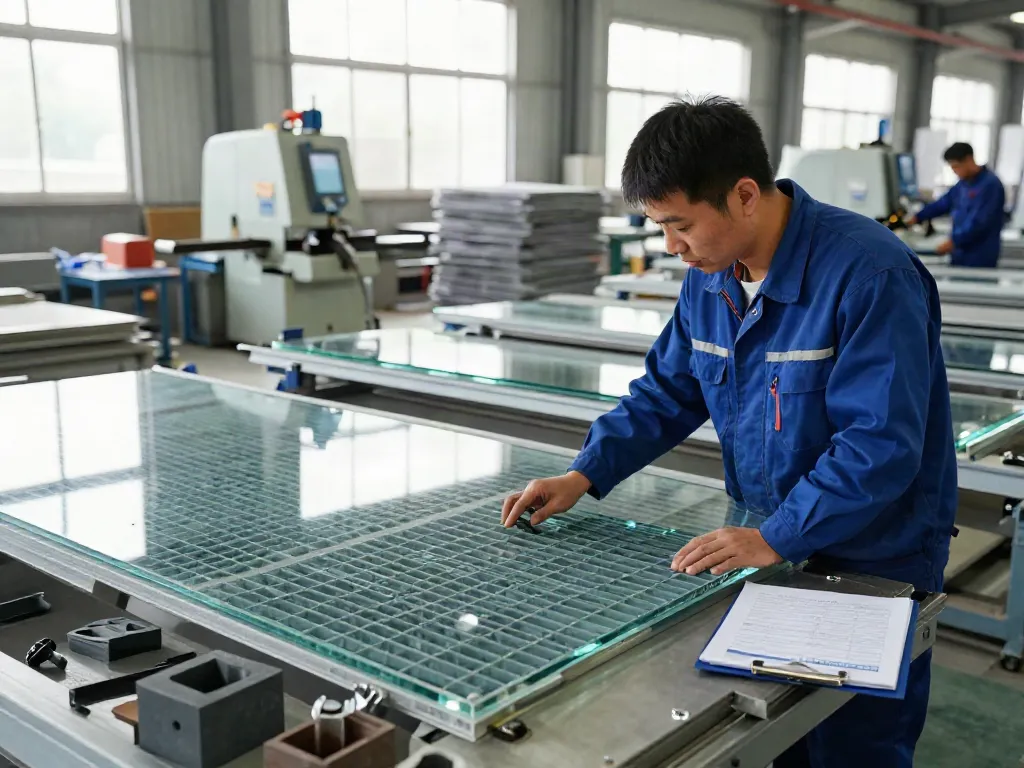
Glass Reinforced Plastic, commonly known as GRP, is a composite material made of a polymer matrix reinforced with glass fibers. This combination yields a material that is significantly stronger than traditional plastics, with the added advantage of being lightweight yet tough. GRP can be molded into various shapes and sizes, making it ideal for custom applications across different sectors.
Key Properties and Applications of GRP
GRP boasts a range of properties that make it highly effective for numerous applications. These include:
- Corrosion Resistance: Unlike metals, GRP is highly resistant to corrosion, making it suitable for use in harsh environmental conditions.
- Lightweight: GRP is up to 70% lighter than steel, which significantly reduces transportation costs and installation efforts.
- Thermal Insulation: GRP offers low thermal conductivity, allowing for energy efficiency in construction and manufacturing applications.
- Customizability: GRP can be tailored to meet specific performance and aesthetic requirements, ensuring it fits diverse design needs.
Overview of the GRP Manufacturing Process
The manufacturing process of GRP typically involves several steps:
- Resin Preparation: The resin is prepared and mixed with hardeners and additives to enhance its properties.
- Fiber Reinforcement: Glass fibers are cut and laid out according to the specifications of the desired product.
- Molding: The prepared resin is poured into molds along with the glass fibers, where it is allowed to cure and harden.
- Finishing: Once cured, the GRP is removed from the molds, trimmed, and finished to meet quality standards.
The Advantages of GRP Over Traditional Materials
Comparison with Steel and Aluminium
When compared to traditional materials such as steel and aluminium, GRP offers several distinct advantages:
- Weight: GRP is much lighter than steel, which simplifies handling and installation.
- Corrosion Resistance: GRP does not rust or corrode, extending its lifespan beyond that of metals.
- Cost Efficiency: Due to its durability and reduced need for maintenance, GRP can be more cost-effective over the long term.
Cost-Effectiveness and Lifecycle Benefits
Choosing GRP over traditional materials can result in significant lifecycle savings. The initial investment may be competitive, but the longevity and low maintenance requirements of GRP create a compelling argument for its use in various applications. Businesses can reduce total cost of ownership by minimizing repair and replacement expenses associated with traditional materials.
Environmental Impact and Sustainability
As industries move towards more sustainable practices, the environmental benefits of GRP become increasingly relevant. The production of GRP consumes less energy than steel and is often manufactured using recycled materials, contributing to a lower carbon footprint. Furthermore, the longevity and recyclability of GRP products support sustainable construction and infrastructure goals.
Quality Assurance in GRP Production
ISO Certifications and Compliance Standards
Quality assurance is paramount in GRP manufacturing. Companies like Engineered Composites adhere to ISO 9001 quality management standards, ensuring that all products meet stringent compliance requirements. Certifications attest to the reliability and safety of GRP products, critical for applications that demand rigorous performance standards.
Testing and Quality Control Procedures
Manufacturers of GRP products implement extensive testing and quality control protocols. Regular testing for tensile strength, fire resistance, and environmental durability ensures that each batch of GRP meets applicable regulations and standards. These measures not only enhance safety but also provide peace of mind to end-users.
Maintaining Consistent Product Quality
Maintaining product quality is an ongoing commitment for GRP manufacturers. Continuous monitoring throughout the production process helps identify any variances early, allowing for corrective action before products reach the market. This proactive approach underscores the importance of quality in building customer confidence and satisfaction.
Applications of GRP in Various Industries
Construction and Infrastructure Use Cases
In the construction sector, GRP is increasingly popular for structural components such as beams, columns, and precast elements. Its resistance to moisture and chemicals makes it ideal for utility applications, particularly in water and wastewater management systems.
Marine and Offshore Applications
GRP’s corrosion resistance is uniquely advantageous in marine environments. It is widely used in boat building, docks, and marine infrastructure, offering a lightweight and robust alternative to traditional materials. Its durability ensures longevity despite exposure to saltwater and harsh weather conditions.
Innovative Solutions in Telecommunications and Utilities
In telecommunications, GRP is utilized to manufacture cabinets and enclosures that protect sensitive equipment from environmental factors. Its lightweight and non-conductive nature make it suitable for various installations, ensuring that electrical safety standards are met.
Future Trends and Developments in GRP Manufacturing
Technological Advancements and Innovations
The future of GRP manufacturing looks promising, with ongoing research and development leading to enhanced materials and processes. Innovations in resin technology and fiber reinforcement are paving the way for superior performance characteristics, including improved fire resistance and environmental stability.
Market Trends and Industry Growth Projections
As industries increasingly prioritize sustainability, the demand for GRP products is expected to grow. Market analysts predict that advancements in production techniques and material properties will drive significant growth in sectors such as construction, automotive, and marine.
Preparing for Changes in Regulations and Standards
As regulations evolve to address environmental concerns and improve safety standards, GRP manufacturers must remain agile. Keeping abreast of changes in compliance requirements and adapting products accordingly will be essential for maintaining market leadership.
What are the primary uses of GRP?
GRP is primarily used in construction, marine applications, chemical processing, and telecommunications, owing to its strength and resistance to environmental factors. Its versatility allows it to be used across multiple sectors efficiently.
How does GRP compare to other materials in terms of safety?
GRP is known for its high safety standards, particularly in terms of fire resistance and non-conductivity, making it suitable for electrical and industrial environments. Compared to traditional materials, it represents a safer choice for many applications.
Can GRP products be customized for specific applications?
Yes, one of the main advantages of GRP is its customizability. Manufacturers can tailor designs based on specific requirements, including load capacity, dimensions, and surface finishes, ensuring that the end product meets the client’s needs.
What is the expected lifespan of GRP products?
GRP products are designed for long-term durability, typically exceeding 50 years under normal conditions. Their low maintenance needs and resistance to degradation make them an excellent investment for long-term infrastructure projects.
How sustainable is GRP manufacturing?
GRP manufacturing is relatively sustainable, particularly when compared to traditional materials like steel and concrete. The process often utilizes fewer resources, and the long lifecycle of GRP products helps reduce waste in the long term.