Understanding CNC Machining in Aerospace Manufacturing
CNC machining has revolutionized the aerospace manufacturing industry, offering precision and efficiency that traditional methods could not match. As industries demand higher quality and more complex components, the need for skilled providers of CNC machining services has increased significantly. Since 2003, Honscn has positioned itself as a key player among leading aerospace cnc parts manufacturers, specializing in the development and production of precision-managed parts tailored to stringent aerospace standards.
What is CNC Machining?
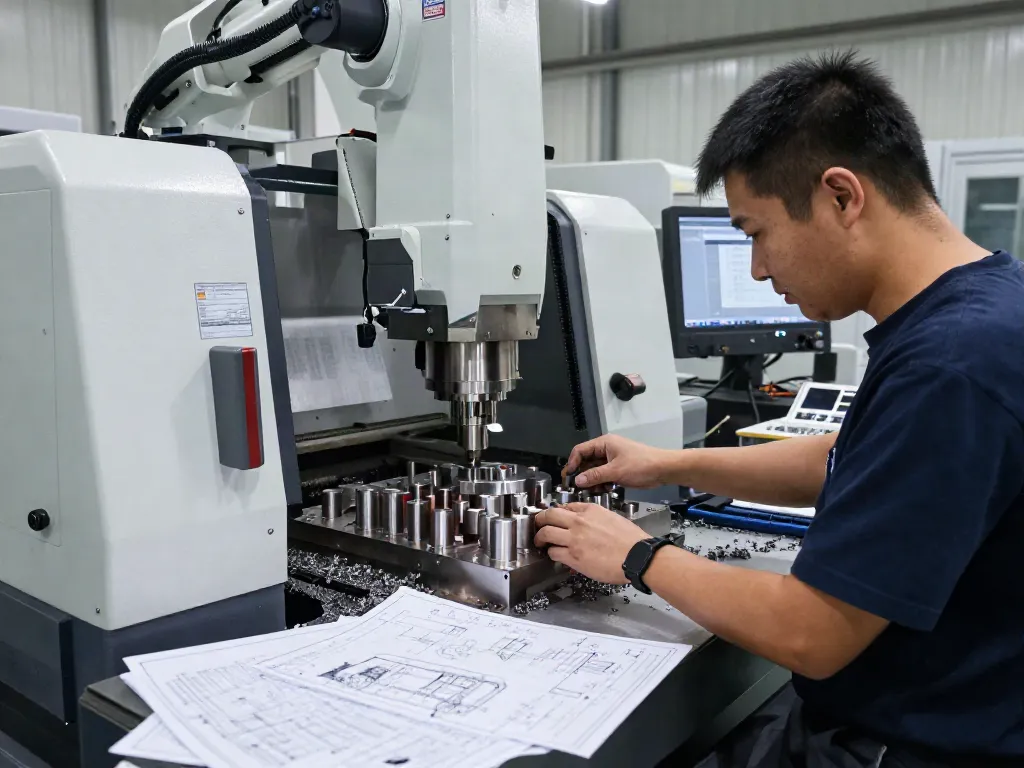
Computer Numerical Control (CNC) machining is a manufacturing process that utilizes pre-programmed computer software to control the movement of machinery and tools. This automation allows for high precision and repeatability in the fabrication of components used in various applications, including the aerospace sector. CNC machines can operate on various types of materials and are an essential technology for producing complex geometries with tight tolerances.
Benefits of CNC Machining for Aerospace Parts
The aerospace industry requires components that meet rigorous safety and performance standards. CNC machining provides several key benefits:
- Precision: CNC machining allows for the production of components with extremely tight tolerances, ensuring high reliability.
- Automation: Reduces human error and increases efficiency by automating processes.
- Flexibility: Able to handle a wide range of materials and designs, making it ideal for customized production.
- Scalability: Capable of transitioning from prototype development to mass production seamlessly.
Key CNC Machining Technologies Used in Aerospace
Several CNC machining technologies are instrumental in the manufacturing of aerospace parts. These include:
- CNC Milling: Ideal for creating complex shapes and features on a part.
- CNC Turning: Used for producing cylindrical parts with high precision.
- Electro-Discharge Machining (EDM): Effective for hard materials that are difficult to machine.
- 3D Printing: An emerging technology that allows for rapid prototyping and complex geometries.
Materials Used in Aerospace CNC Machining
Common Metal Materials for Aerospace Components
The choice of materials is critical in aerospace applications. Common metals used include:
- Aluminium: Lightweight and corrosion-resistant, ideal for aircraft structures.
- Titanium: Offers high strength-to-weight ratio and excellent resistance to extreme environments.
- Stainless Steel: Known for its durability and resistance to wear, making it suitable for various aerospace components.
Plastic Materials in Aerospace Applications
While metals dominate, plastics are also extensively used in aerospace for lightweight components and insulation. Some common plastics include:
- Polypropylene (PP)
- Polyurethane (PU)
- Polycarbonate (PC)
- Polyvinyl Chloride (PVC)
- Acrylonitrile Butadiene Styrene (ABS)
- Polyether Ether Ketone (PEEK)
Material Properties Essential for Aerospace Parts
When selecting materials for aerospace applications, several properties are essential:
- Weight: Lightweight materials improve fuel efficiency.
- Strength: High strength-to-weight ratios are necessary for structural integrity.
- Corrosion Resistance: Materials must withstand harsh environments.
- Thermal Stability: Components must maintain performance under extreme temperatures.
Challenges Facing Aerospace CNC Manufacturers
Quality Control in Aerospace Manufacturing
Maintaining quality is paramount in aerospace manufacturing due to safety implications. Rigorous inspection and testing protocols are required to ensure that parts meet strict standards. Advanced quality control measures, such as statistical process control (SPC) and non-destructive testing (NDT), are often employed to guarantee product integrity.
Cost Management and Production Efficiency
As aerospace projects often involve substantial budgets, managing costs while maximizing efficiency is a critical challenge. Lean manufacturing principles and continuous improvement strategies can help reduce waste and optimize production processes.
Regulatory Compliance and Certification Standards
Aerospace manufacturers must comply with international regulations and standards, including AS9100 and ISO 9001, which govern quality management systems. Ensuring compliance requires thorough documentation and ongoing training for staff involved in CNC machining processes.
Best Practices for Selecting a CNC Machining Partner
Evaluating Experience and Expertise in CNC Machining
Choosing a CNC machining partner requires careful evaluation. Look for manufacturers with a proven track record in aerospace machining, evidenced by certifications and a portfolio of successful projects.
Importance of Advanced Technology in CNC Processes
Modern CNC machining relies on advanced technologies such as 5-axis machining and automated tooling. A partner that invests in state-of-the-art equipment is more likely to produce high-quality parts efficiently.
Assessing Quality Assurance Processes
Inquire about the quality assurance processes employed by potential partners. Strong quality management practices, including routine audits and adherence to aerospace quality standards, are essential for ensuring reliable outputs.
Future Trends in Aerospace CNC Machining
Emerging Technologies Shaping the Future
As technology evolves, several trends are expected to shape aerospace CNC machining:
- Integration of artificial intelligence (AI) for predictive maintenance and process optimization.
- Expansion of additive manufacturing, enabling the production of highly complex components.
- Increased use of IoT (Internet of Things) in monitoring machining processes in real-time.
Impact of Industry 4.0 on Aerospace Manufacturing
Industry 4.0 is transforming aerospace manufacturing by enhancing automation and data exchange within manufacturing technologies. This interconnected approach allows for smarter production environments, resulting in improved efficiency and reduced downtime.
Predictions for Aerospace CNC Machining by 2026
Looking ahead, the CNC machining landscape in aerospace is likely to see increased automation, enhanced materials science, and a greater focus on sustainability practices. These trends will drive innovation and redefine manufacturing capabilities in the aerospace sector.
What are the advantages of CNC machining in aerospace?
The advantages of CNC machining in aerospace include superior precision, faster production times, the ability to create complex geometries, and reduced labor costs due to automation. These factors contribute to higher quality components that meet the stringent requirements of the aerospace industry.
What materials are most commonly used in aerospace manufacturing?
Common materials in aerospace manufacturing include lightweight metals like aluminium and titanium, high-strength steels, and various advanced plastics, each selected for their specific properties that enhance performance and safety in the aerospace environment.
How do I choose a reliable CNC machining supplier?
Choosing a reliable CNC machining supplier involves assessing their experience in the aerospace sector, the technology they use, their quality assurance processes, and their ability to meet compliance standards. Client testimonials and case studies can also offer valuable insight into their reliability and performance.
What certifications should aerospace manufacturers have?
Aerospace manufacturers should be certified in international standards such as AS9100, ISO 9001, and NADCAP for specific processes. These certifications ensure adherence to quality and safety standards crucial in the aerospace industry.
What trends will influence aerospace CNC machining in the future?
Future trends influencing aerospace CNC machining include the increased adoption of AI and machine learning, advancements in materials science, and a stronger focus on sustainability and reducing environmental impact in manufacturing processes.